


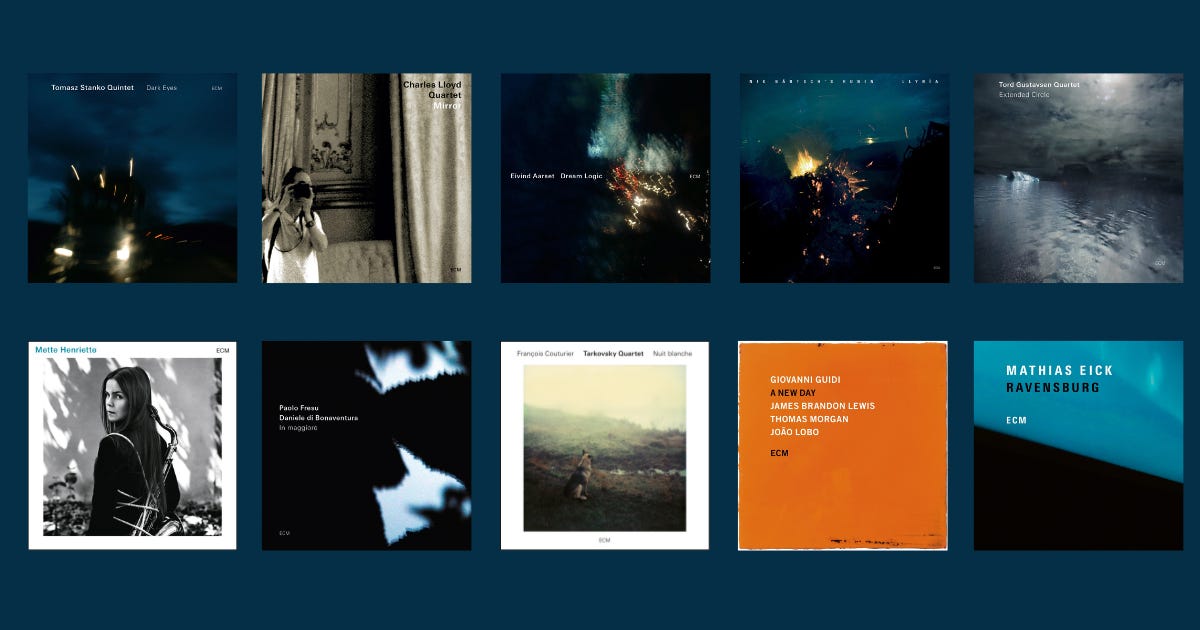
I have to admit that the inspiration for this text is not particularly original: I came across a Substack post by Lee Mergner titled “My Top 10 ECM Albums” and thought I could write something similar. However, although I do have my favorites from the entire history of ECM Records, I’m far from having listened to a sufficiently large number of albums released from the seventies through the 2000s. At the time those records were coming out, I wasn’t even born yet, or I was just a child and later a teenager; and when I eventually matured enough to start listening to ECM, I never really approached its full discography in a particularly systematic way.
Things changed in the 2000s, though, and I started paying attention to ECM Records around 2003–2004. When I launched the Jazzin.rs website in 2009, I intensified my tracking of current developments in jazz publishing, at least when it came to several of the most important labels. Finally, in 2011, I got a job at a company that distributed ECM releases in Serbia—specifically in a role that involved ordering CDs and vinyl from ECM Records and coordinating sales across several retail outlets and through our website—and my professional interest reached its peak. Between 2011 and 2017, I listened to absolutely every album released by ECM Records, and even after I later changed jobs, I was already “infected” and continued to follow a large number of releases.
There were also very personal, private reasons why ECM was (and still is) frequently played in my home, something I wrote about last week.
Be that as it may, taking all of this into account, I feel competent enough to compile my own list of the best ECM albums released in this century—that is, the ones that resonated with me the most. Since 10 is quite a “tight” number, many excellent albums have inevitably been left out. But I didn’t want to overextend the list. These ten selections are also an invitation to you, the readers, to share your own lists in the comments—whether from the 21st century or from the entire history of ECM Records, as you prefer.
The list is arranged chronologically by year of release, without implying any other kind of ranking.
Tomasz Stanko Quintet – Dark Eyes (2009)
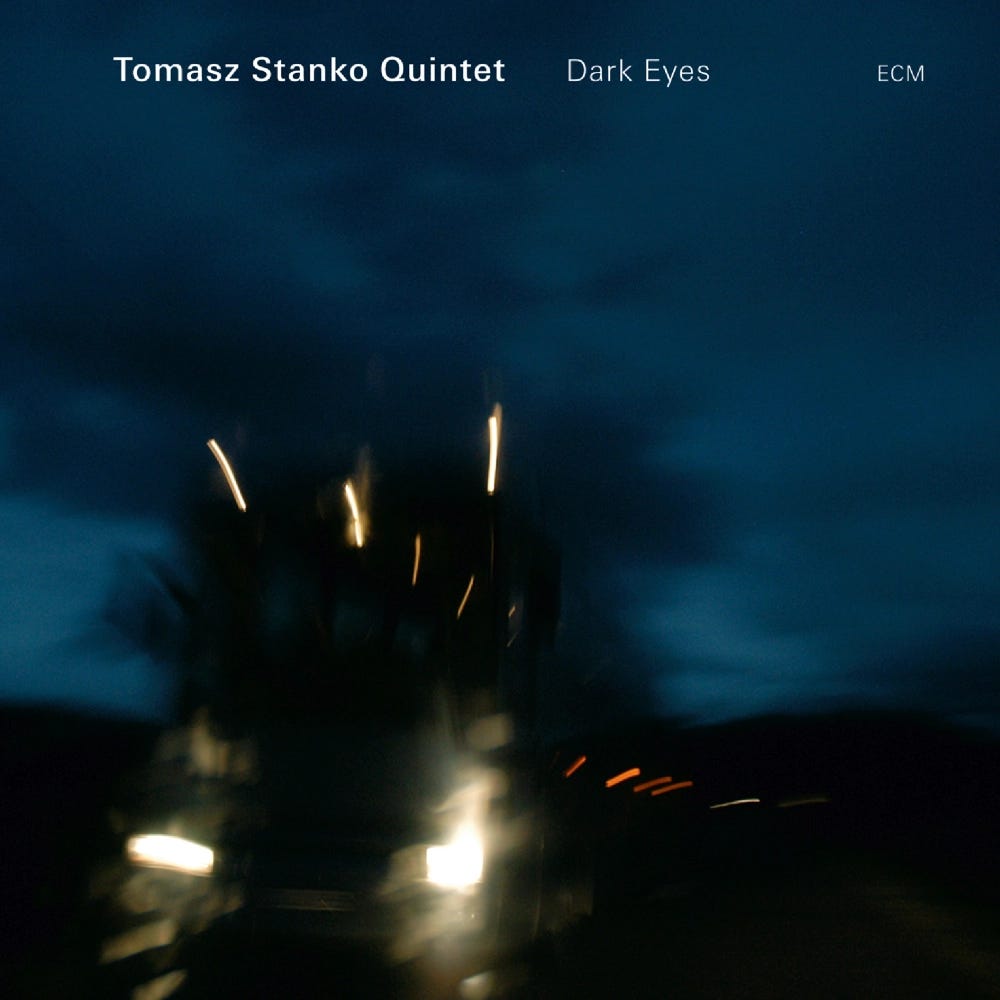
It was a spectacular album, and at the same time unexpectedly communicative and youthful. Stanko’s distinctive playing style and compositional voice gained fresh energy through beautiful, uplifting arrangements and several standout pieces, and music from the album was later featured in the opening credits of the series Homeland, which I followed for years. This was also the first time I heard Jakob Bro as a “talented guitarist,” while the excellent band also included Alexi Tuomarila on piano, Anders Christensen on bass, and Olavi Louhivuori on drums.
Top song: Terminal 7
Charles Lloyd Quartet – Mirror (2010)
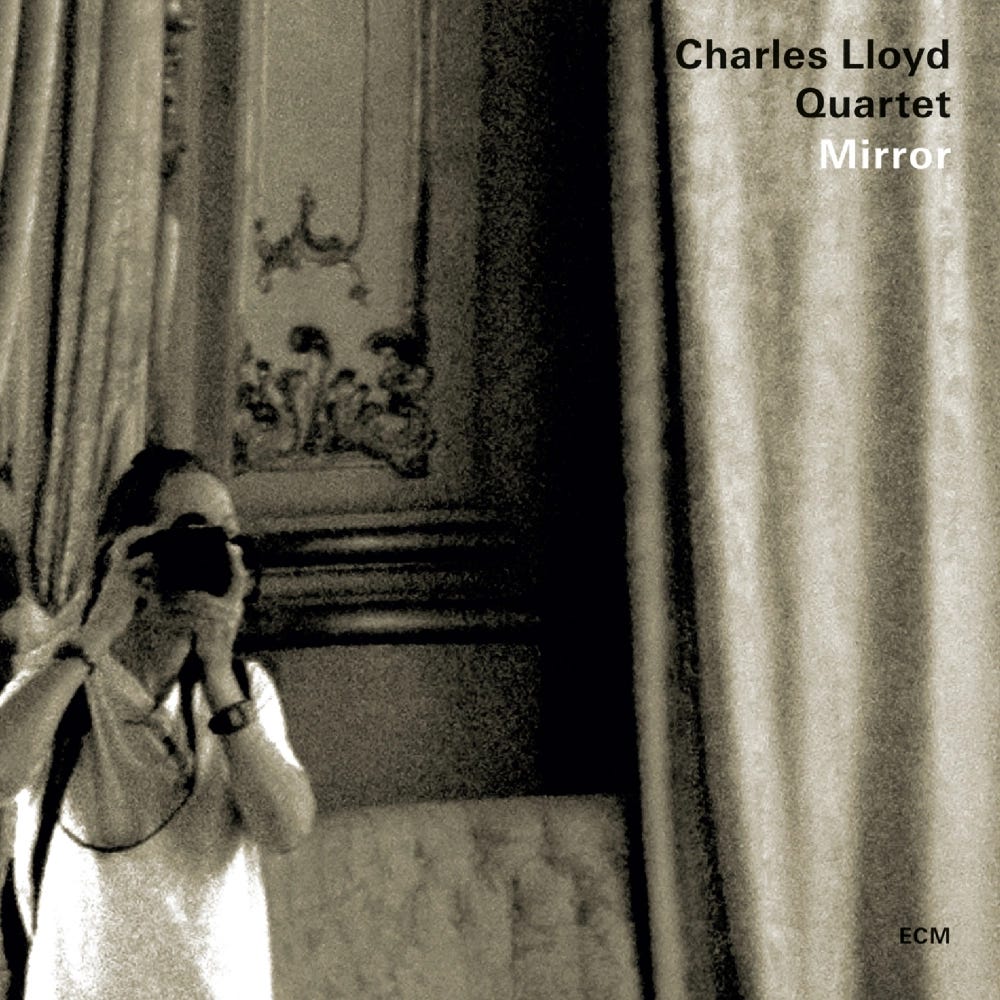
Before this album, I hadn’t paid much attention to Charles Lloyd, until I read a review written by my colleague Slađana Mitić from Jazzin.rs. I trusted her judgment, gave the album a listen, and quickly fell in love with it. There’s no need to overdescribe the beautiful sound of Lloyd’s saxophone, which dominates the album; but here again, the formula of pairing a legendary veteran with a young band at the height of its powers proved essential, with Jason Moran playing a particularly prominent role. The rhythm section of Reuben Rogers and Eric Harland is also outstanding. Although they had already played together on Rabo de Nube, the band here sounds even tighter and more playful.
Top song: Go Down Moses
Nik Bärtsch’s Ronin – Llyria (2010)
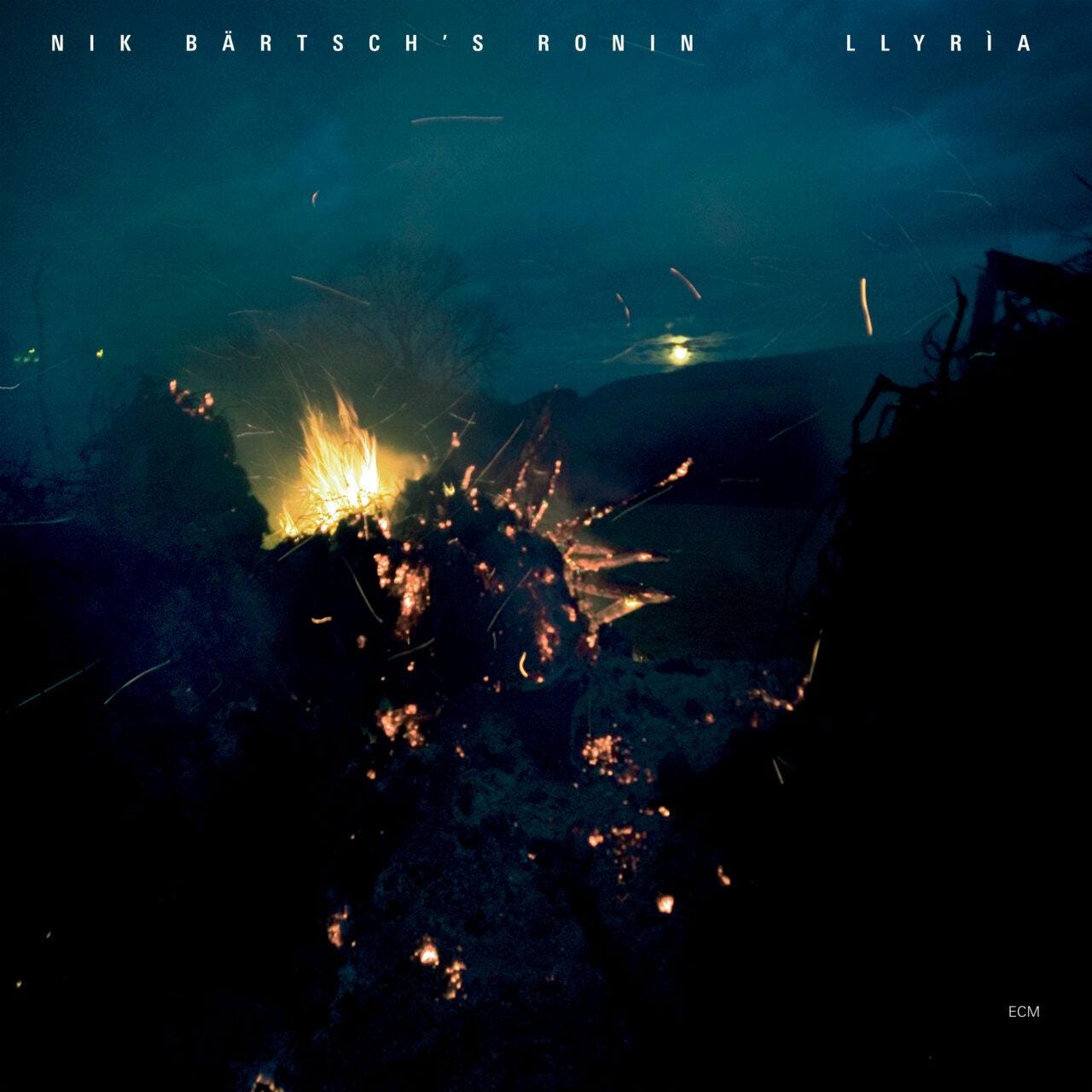
I had heard of Nik Bärtsch even before he joined ECM, but his most convincing work came between 2008 and 2020. There were other albums I loved, but this one, for me personally, was decisive in moving from the “casual listener” phase to “die-hard fan.” A master of zen-funk minimalism, of repetition in which the band as an organic whole takes precedence over individual achievements.
Top song: Modul 47
Eivind Aarset – Dream Logic (2012)
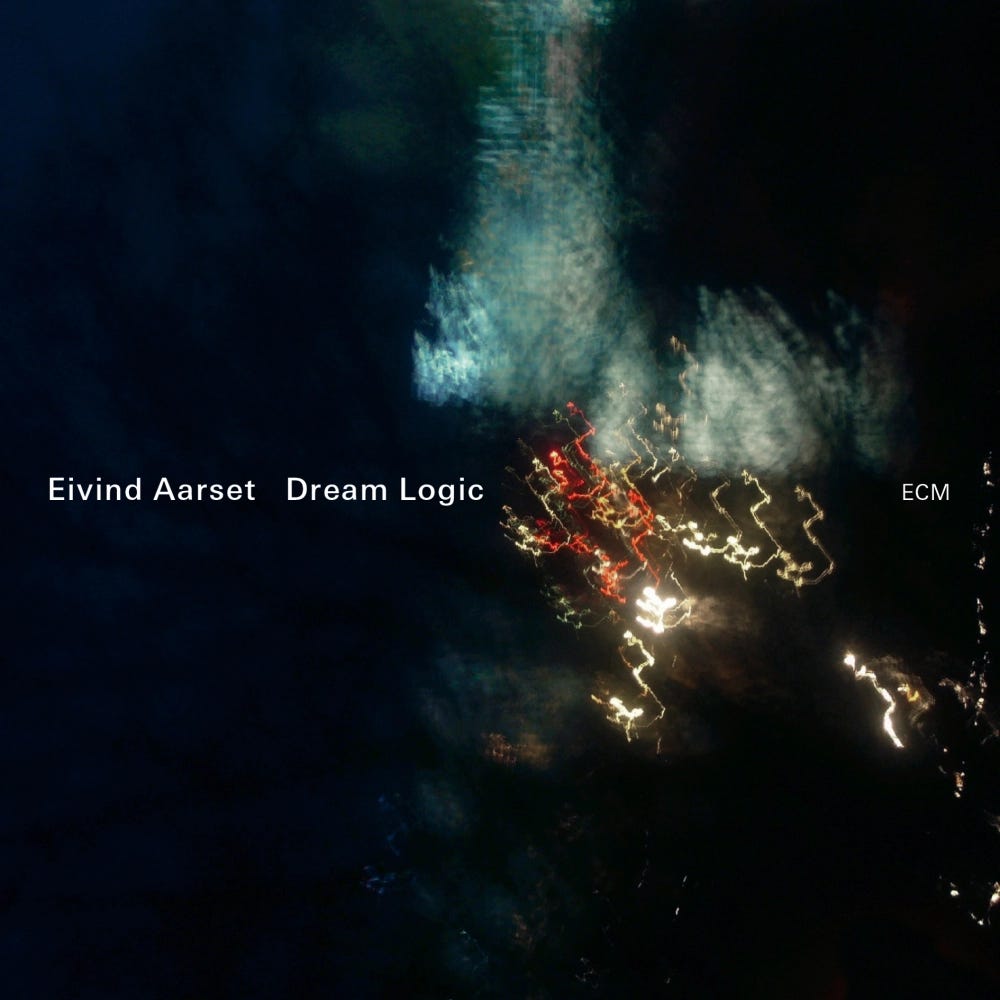
The first time I heard Dream Logic, I thought Manfred Eicher had “clipped Aarset’s wings” a bit, having previously listened to him in more energetic settings. But with each subsequent listen, the album drew me in more and more. Aarset’s guitar sounds fragile, vulnerable—just like the album as a whole. His longtime musical collaborator Jan Bang is also present, one of the most creative figures in electronic minimalist improvisation, along with Audun Kleive on log drum. Together, they created deeply introspective music that dives into the depths of the human soul.
Top song: Close (for Comfort)
Tord Gustavsen Quartet – Extended Circle (2014)
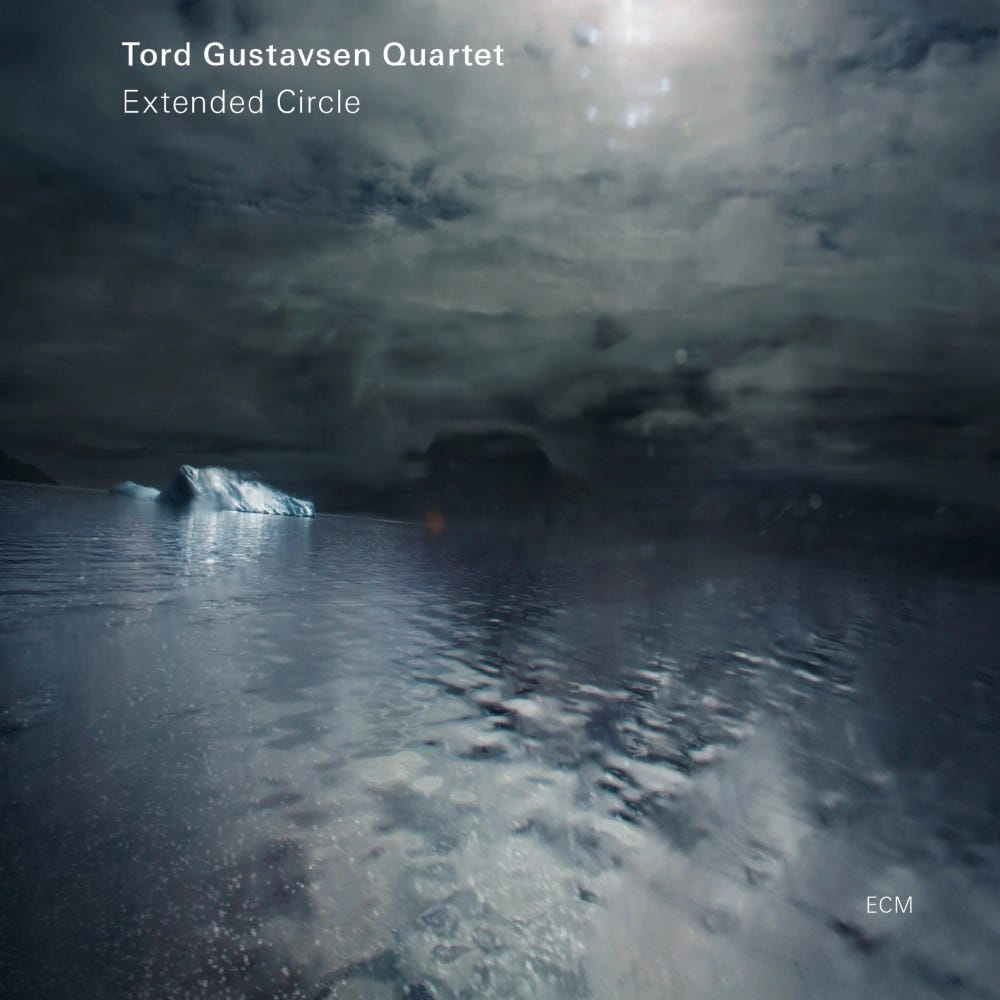
The Tord Gustavsen Trio was already very popular among Serbian jazz fans in the early 2000s, but at the time I wasn’t quite ready for his music. That changed once the trio became a quartet and Tore Brunborg joined the group. They first recorded The Well, and I saw them live that same year at the Garana Jazz Festival in Romania, which left a strong impression on me. But it was only with the release of Extended Circle that I became truly enthusiastic. There are several outstanding pieces here, but none like “Eg Veit I Himmerik Ei Borg,” an absolute masterpiece and one of the finest jazz compositions recorded in the 21st century (and beyond).
Top song: Eg Veit I Himmerik Ei Borg
Paolo Fresu, Daniele Di Bonaventura – In Maggiore (2015)
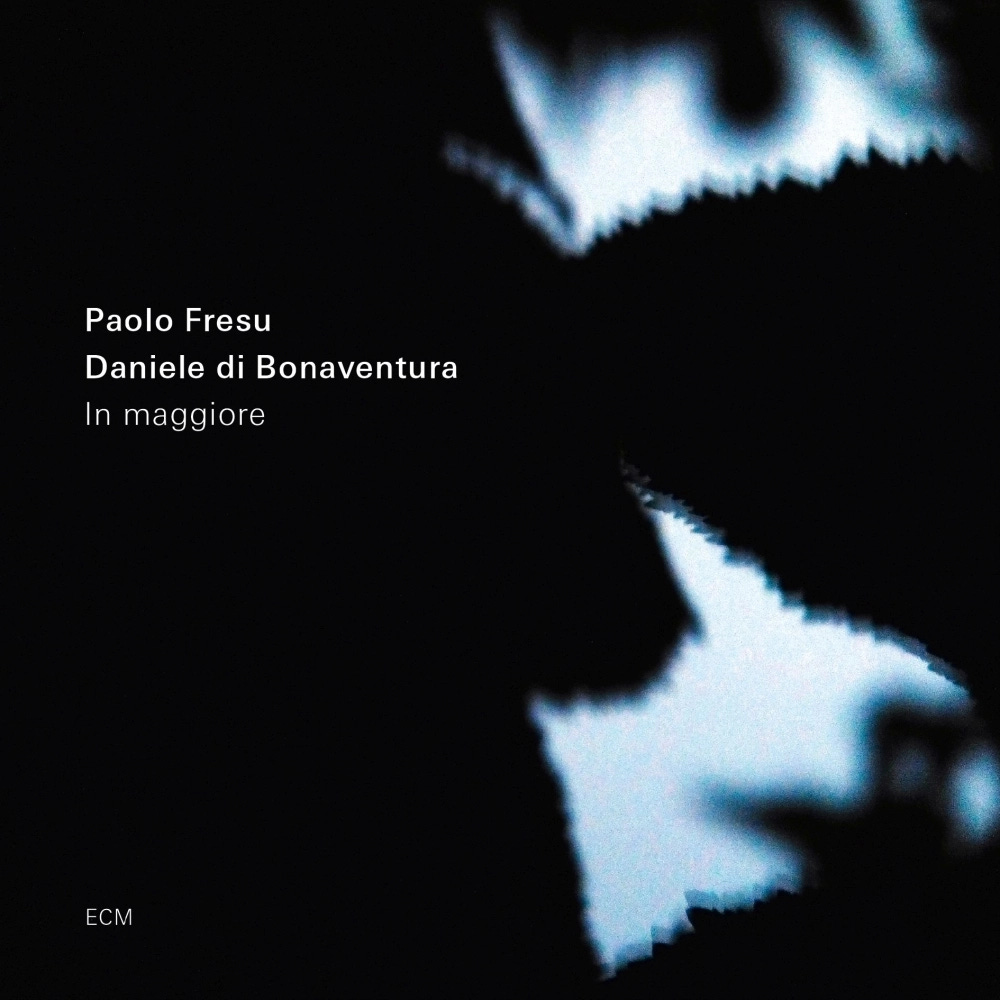
Paolo Fresu is a wonderful trumpeter, possessing that specific retro jazz aura—not only through his music but also through his posture, the way he plays, and his stage presence, which evokes a kind of modern-day Chet Baker. Although he has recorded for many labels, I believe his ECM albums best bring his qualities to the forefront. Together with bandoneon player Daniele Di Bonaventura, he created an album that on one hand carries an unmistakable Mediterranean flavor, and on the other embodies the essential values of early Miles Davis.
Top song: Ton Kozh
Mette Henriette – self titled (2015)
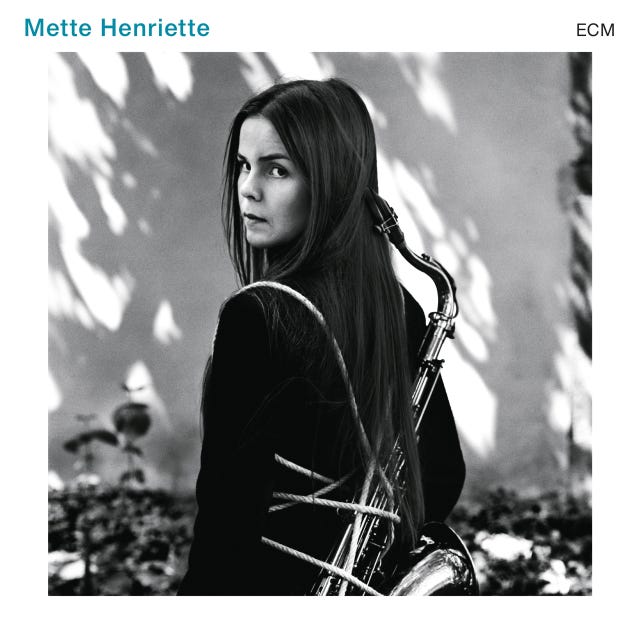
At the time of this album’s release, Mette Henriette was only in her mid-twenties, and I found myself wondering in disbelief how someone so young could create such a mature musical work—especially a double album. This minimalist masterpiece also has a very interesting structure, where certain melodic and textural motifs seem to reappear, not in the form of classical repetition, but like scattered musical fragments that emerge during listening, reminding us of the main musical thread and idea. The album feels simple in its core motifs and melodies, yet complex in structure, in the density and intensity of the emotions it evokes.
Top song: All Ears
François Couturier, Tarkovsky Quartet – Nuit Blanche (2017)
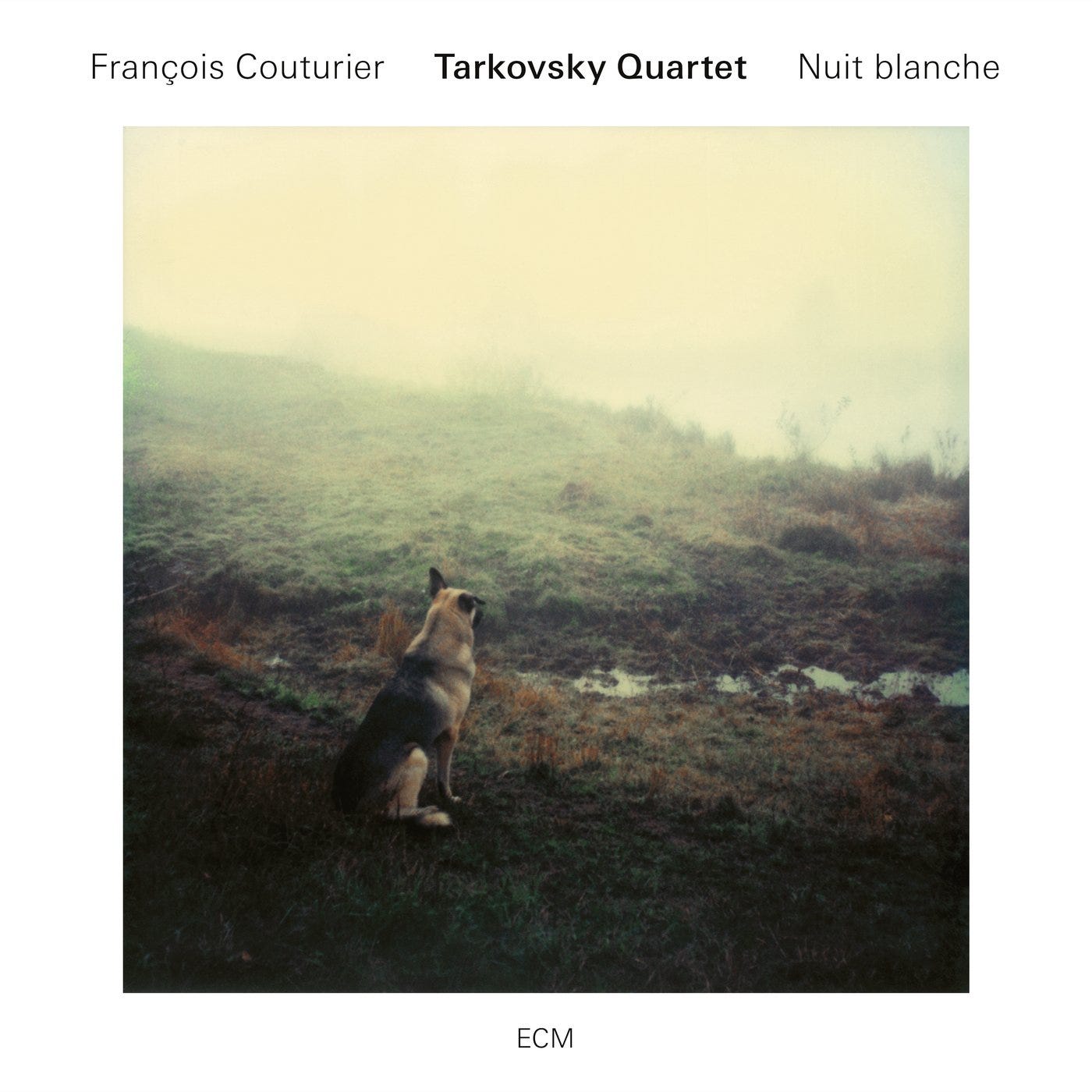
The lineup—François Couturier (piano), Anja Lechner (cello), Jean-Marc Larché (soprano saxophone), and Jean-Louis Matinier (accordion)—plays, quite simply, beautiful music. In their crossover of classical music and jazz, composition takes center stage, but what truly defines these musicians is their exceptional sense for arrangement, performance nuance, and interaction. In that sense, the quartet possesses those subtle, essential qualities of jazz, even though it doesn’t function within the framework of conventional jazz arrangements.
Top song: Nuit Blanche
Mathias Eick – Ravensburg (2018)
I associate this album with a small anecdote. On my radio show on Radio Belgrade 3, I most often play contemporary or avant-garde jazz—music that has a certain “edge” in the broadest sense. My editor Ksenija is usually on the same wavelength. When I sent her Ravensburg for broadcast, I hoped she wouldn’t say it was too “cheesy” or something along those lines. Instead, she called me just to say that this was simply beautiful music. She had nothing to ask about technical details or corrections—this was the sole reason for the call. Mathias Eick, then, plays accessible, almost pop-like music within a jazz idiom, with songs about family and love. There are no extended solos, and even when there are solos, they often feel like fully written-out melodies. But what melodies! Eick is a top-tier melodist, the kind that rarely comes along, and this album represents the peak of his compositional craft.
Top song: Girlfriend
Giovanni Guidi Trio & James Brandon Lewis – A New Day (2024)
Since recording This Is the Day for ECM Records, Giovanni Guidi has entered his most prolific compositional phase. His delicate, refined playing style is infused with excellent interaction within the trio, featuring Thomas Morgan and João Lobo. On A New Day, they are joined by James Brandon Lewis, which might be seen as something of a surprise, as I didn’t quite perceive JBL as an “ECM artist” in the narrower sense of the term. But I was truly impressed by how compatible his style is with Guidi’s, and how well they understand and complement each other. That said, this album is not in the top 10 (only) because of JBL, but primarily thanks to Guidi’s compositional and arranging talent, which he has honed carefully over time to finally reach the elite group of the most creative European jazz pianists.
Top song: Luigi (The Boy Who Lost His Name)
Thanks for the recommendations!
Great stuff. I’m always interested in digging deeper into ECM, beyond the golden years. Thanks.