


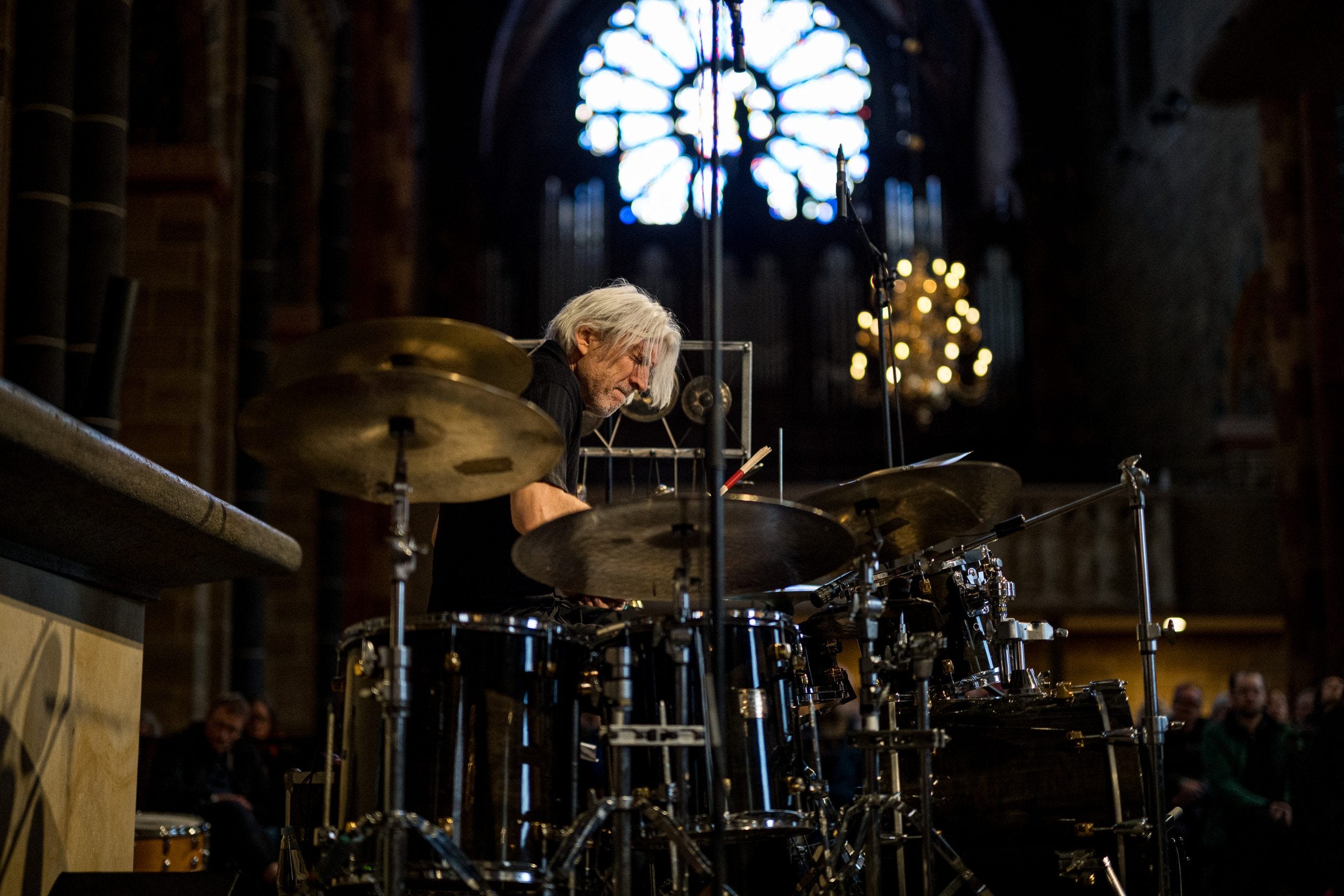
Three days at jazzahead! in Bremen were so intense that I simply didn’t have time to do anything else—let alone write a short note or a full article on the spot. I posted a bunch of Instagram stories, recorded a few conferences, watched loads of concerts, and sat through meetings; I talked to jazz workers and musicians before and after shows, and so on.
For someone coming from Serbia—a country where jazz infrastructure is still driven more by sporadic individual enthusiasm than by a well-organized system—everything I see and hear in Western European countries feels a bit surreal. At the same time, there’s a comforting feeling of being at the world’s largest gathering of jazz nerds, where, in a way, I’m among my own.
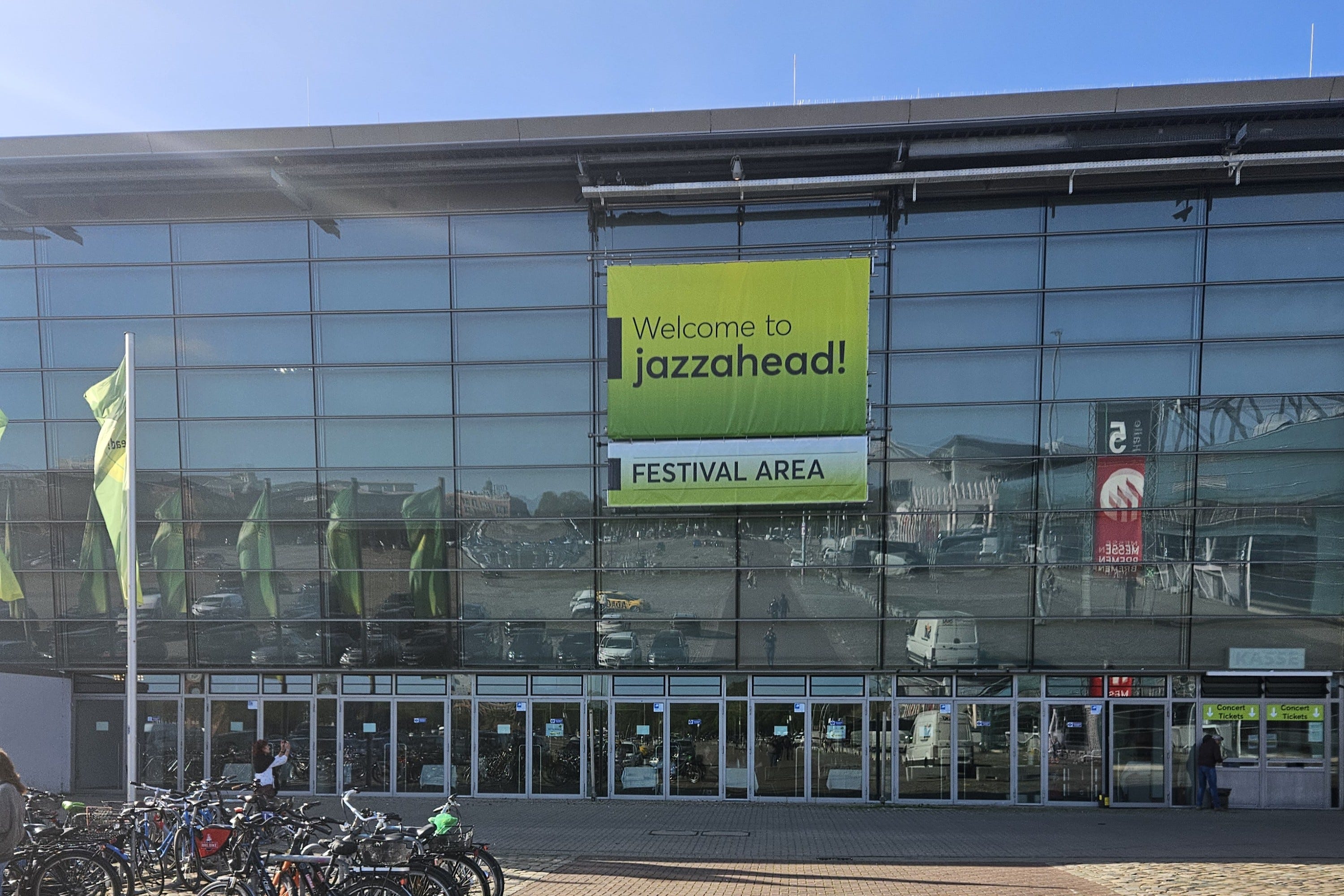
Meeting New Jazz People (or: Never Heard of Him/Her/Them)
When I talk about “meeting new people” at jazzahead, I don’t mean running into an old friend—a musician, agent, publicist, or manager—who introduces you to someone. Or someone you knew online and are now meeting in person for the first time. I mean people who are New New. People you’ve not only never met before, but have literally never even heard of.
On the jazzahead website there’s a section called the Participants Portal, as well as the infamous Talque app used for communication among registered participants. “We are in the business of stalking people,” we joked at an informal gathering of radio professionals.
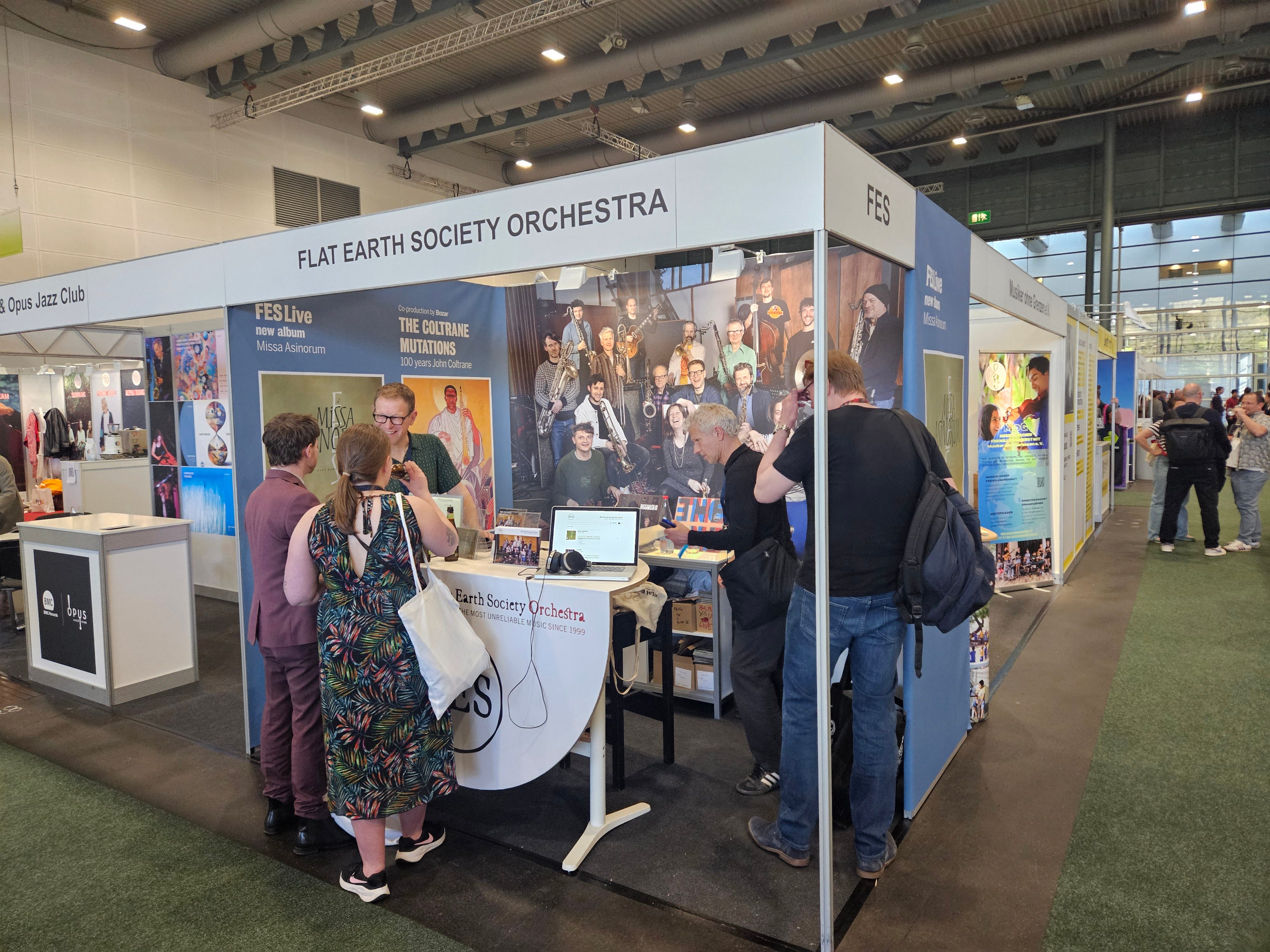
In other words: you’ll often get messages through the app from a complete stranger from who-knows-where, asking to meet for coffee—and, of course, to present their work or suggest a collaboration.
It presents a challenge, because the number of messages can be overwhelming. Still, it’s fun.
For example, I got a message from an Icelandic double bassist, Freysteinn Gíslason, whose work I knew absolutely nothing about. I clicked on a few tracks from his latest album and liked what I heard, so we arranged to meet at jazzahead. By the time we met, I had already done a bit of homework—I noticed that guitarist Hilmar Jensson, someone I’ve known of for a long time, played on the album.
So when we met in person, we could talk not just about music, but about life, the protests in Serbia, prices and climate in Iceland, housing loans, and everything in between.
On the day I arrived in Bremen, I missed my connecting flight in Frankfurt due to long passport control lines. As compensation, I got a train ticket from Frankfurt to Bremen, which gave me an extra four hours to go through messages and catch up.
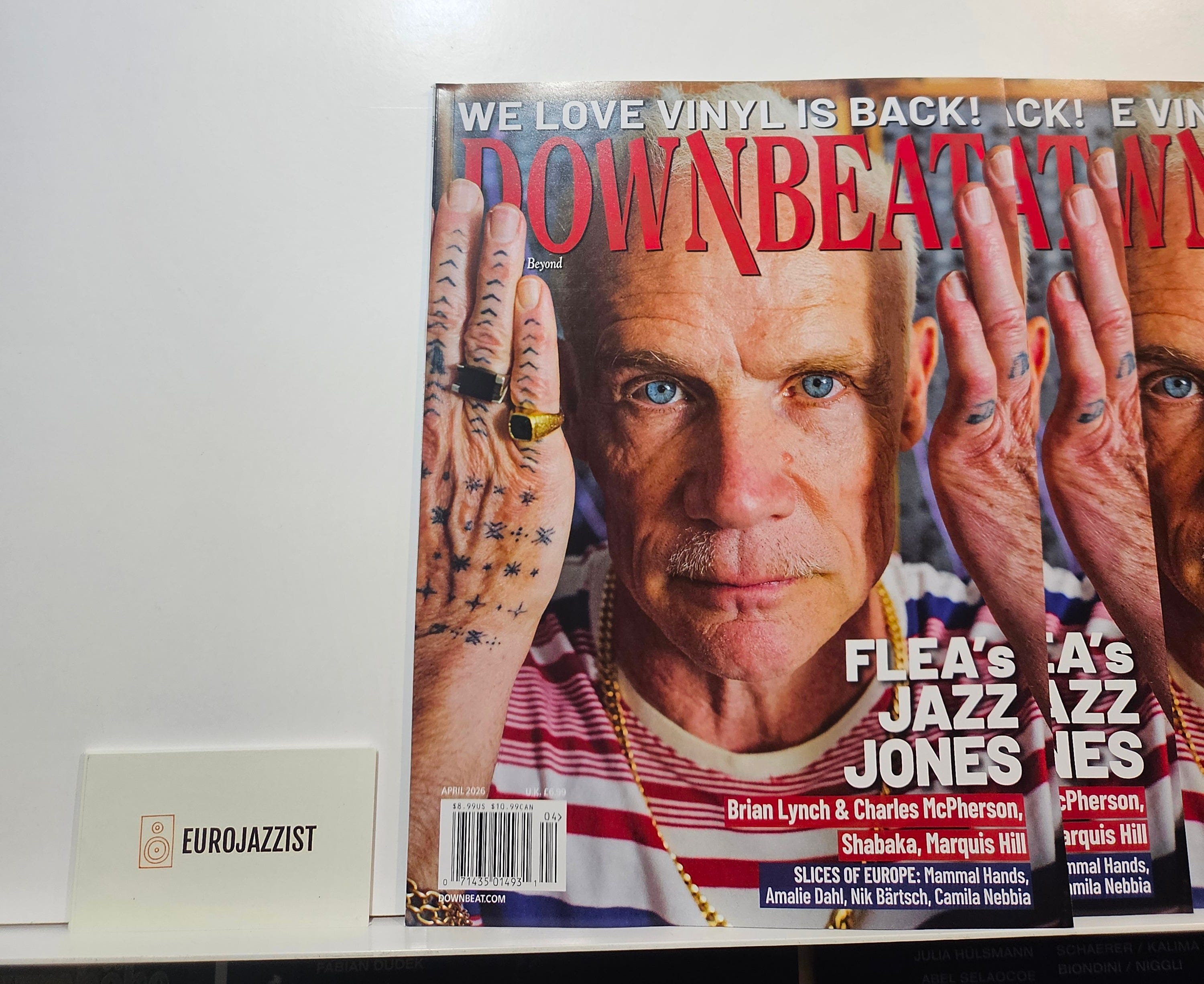
That’s when a pianist named Lara Humbert reached out—another person I had never heard of before. I opened her Bandcamp page and let a few tracks play. It turned out the music was very much to my taste. Scrolling down, I saw a recommendation for Danish saxophonist Amalie Dahl, suggested to listeners who liked Lara’s music. I haven’t listened to her yet, but I noticed she’s been featured in DownBeat and WeJazz magazine, which probably means it’s about time I did.
So once again, I arrived at the meeting reasonably prepared. It was great to hear about the Brussels scene, and to chat about jazzahead itself and what it means to different people.
Missing Great Music
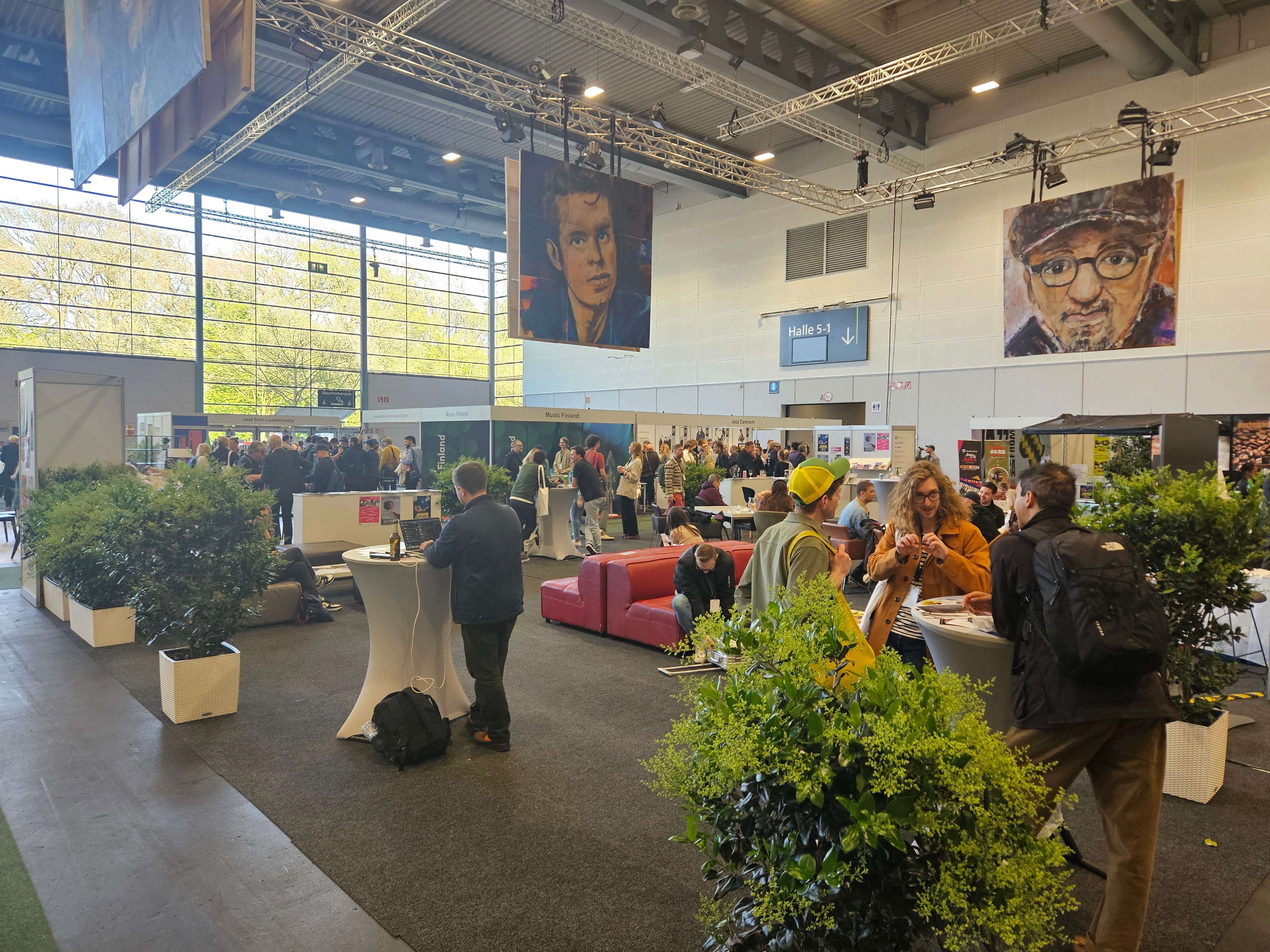
I think the total number of concerts at jazzahead is somewhere around 160. Around 40 take place in the central Messe Bremen halls and the nearby Kulturzentrum Schlachthof —that’s where the main focus is—while the rest are scattered across the city.
The math alone tells you it’s impossible to see everything, even if concerts were your only priority. Everyone knows this, and you assume there’s enough audience to go around—but still, it stings a bit.
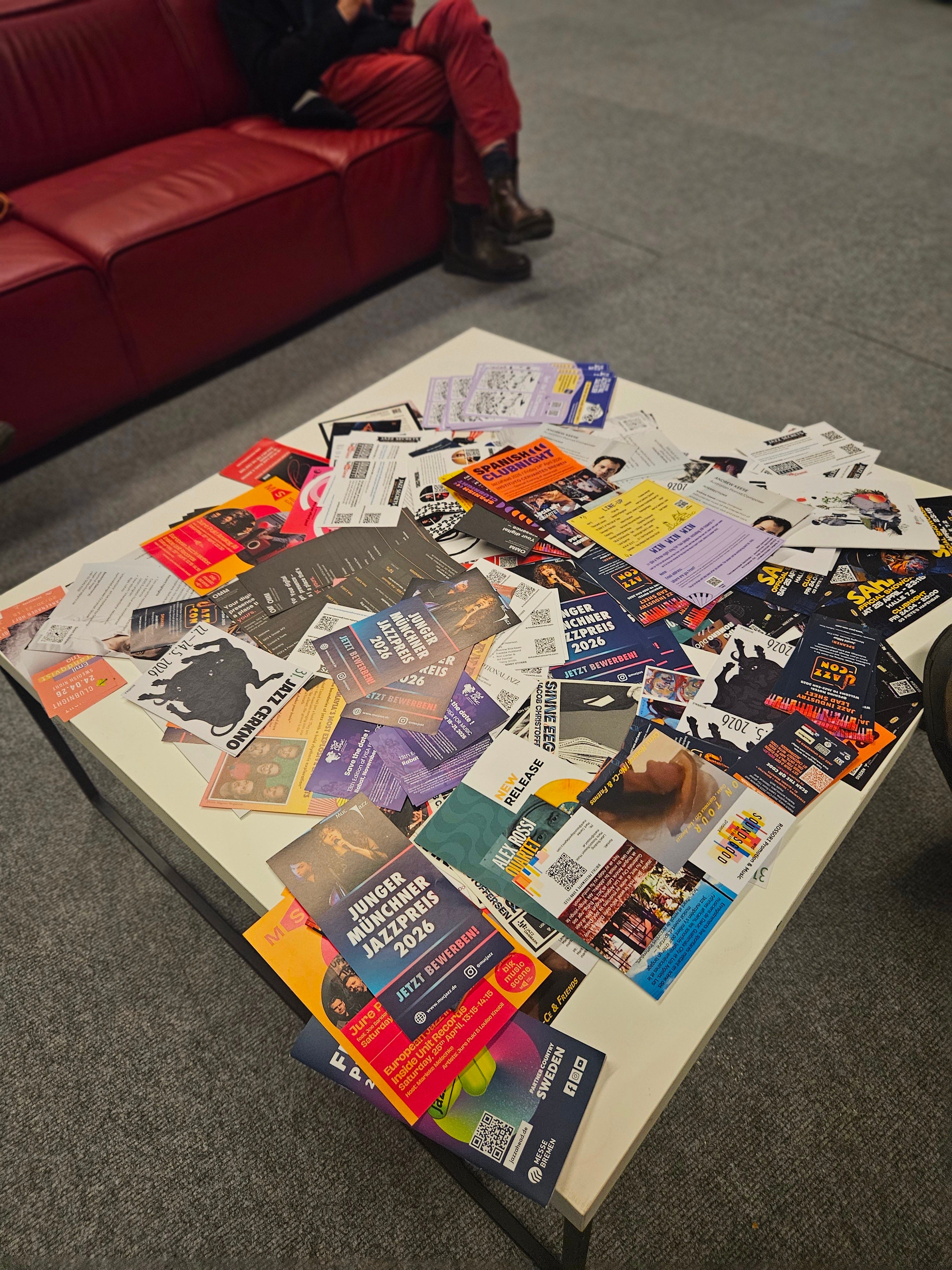
There were also musicians I already knew well, like Portuguese guitarist Marcelo Dos Reis with his trio Flora; or the Petros Klampanis Trio, whom I hadn’t seen live before but had been interested in for a while. There were also themed nights I would definitely have attended if they had taken place within the main fair area—like Luxembourg Clubnight, where I only knew Pascal Schumacher beforehand, but had never heard of Veda Bartringer or Arthur Possing.
Discovering musicians outside your usual information bubble is one of the best things: you decide to meet someone, check out their work, listen to their music, maybe end up writing about it or playing it on the radio. Or you go to a concert that wasn’t even on your radar—something you would never have “planned” to see because you usually stick to your own taste.
And then, when all of that is so close—but you simply can’t physically make it—it still leaves you with a sense of regret.
All Radio People Share the Same Problems
As a representative of Radio Belgrade, I took part in the EBU Jazz Producers Meeting. The EBU (European Broadcasting Union) gathered radio journalists and producers from 10–15 European countries who work with jazz in their programming or organize jazz concerts and events through their radio platforms.
Various topics were discussed: participation in the Euroradio Jazz Competition for bands under 30, submitted by member organizations; or young musicians performing in European big bands that assemble every two years, and so on.
But we also talked about everyday concerns we all share—budget cuts, staff reductions, the struggle to keep AI from replacing human hosts and programmers, and so on. In informal conversations, we joked that it sometimes felt like group therapy: “My name is _____ and I’m a jazz radio journalist.” And everyone nods knowingly, patting you on the shoulder because they understand exactly what you mean.
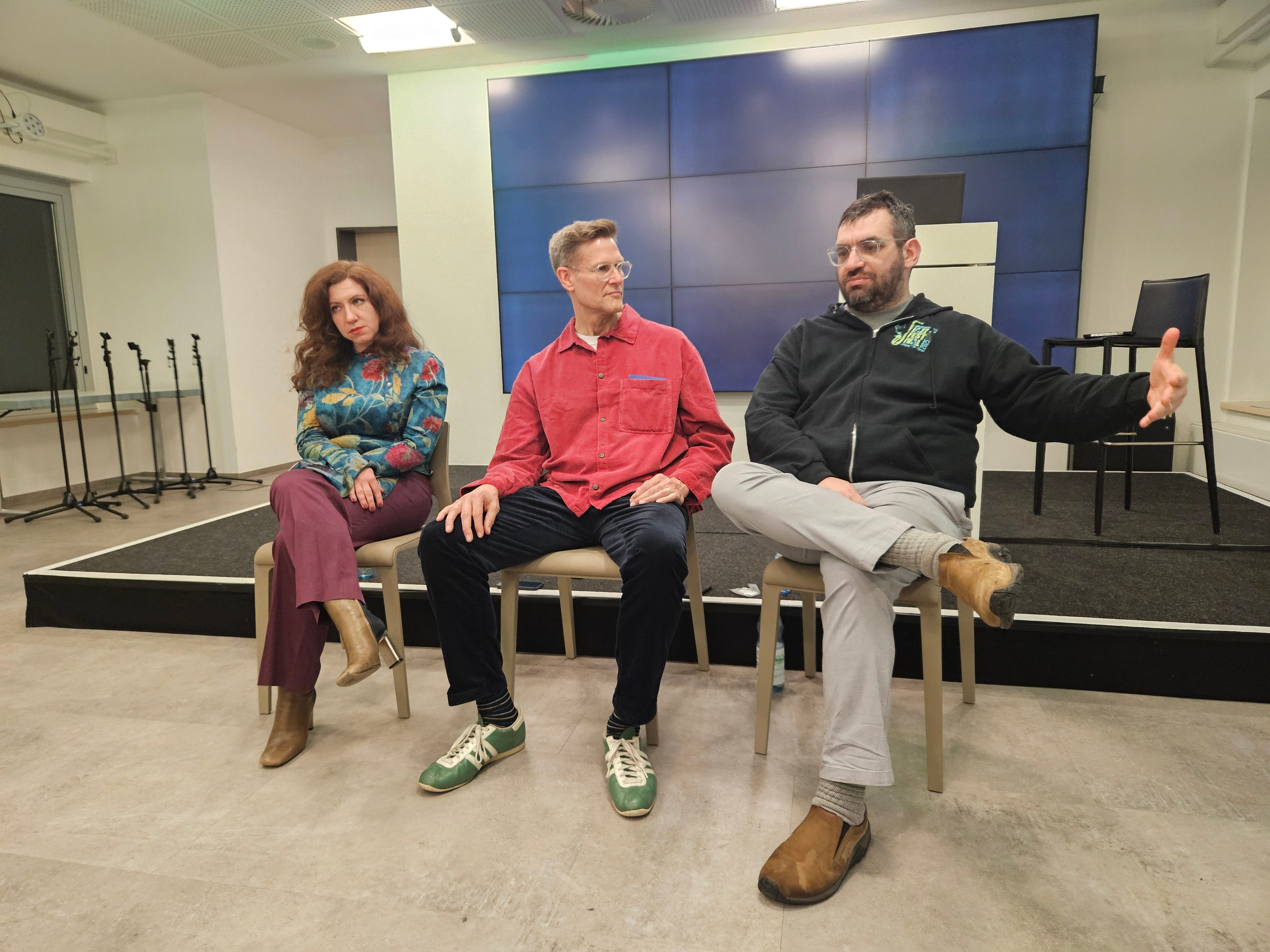
There was also an interesting panel titled “All That Jazz in Radio – Human Curation vs. Algorithms,” featuring speakers from the EBU network. I’ll come back to that in a separate text soon.
Substack Friends
For the first time, I also met “someone from Substack” in person. Though, given the career of Matt Merewitz, it wouldn’t be fair to say he’s just “from there,” considering his long-standing work with Fully Altered Media. Still, I have to admit—it meant a lot.
I started Eurojazzist for various reasons. Among other things, to see whether my writing could reach readers beyond Serbia and neighboring countries that share the same language—but also to meet people from the jazz world I hadn’t been able to connect with before due to that language barrier. Now that’s actually happening, and I’m glad about it.
I almost met Dave Stapleton from Edition Records as well—I planned to approach him after a panel he took part in, but because of the missed flight, I arrived too late. There will be other chances.
jazzahead! and Politics
Anyone who takes even a quick look at the jazzahead program will notice that diversity and inclusivity—understood in the broadest sense—play an important role in shaping the lineup and program sections. These are values I personally believe in.
Some dissatisfied jazz fans might argue that, due to political correctness, the festival didn’t feature the “best” or most talented bands; some musicians might feel they were “passed over” in favor of others. I’ve also come across texts discussing project-based funding as potentially harmful to the “best” musicians if their work doesn’t align with funding agendas. These are questions debated for decades across political, philosophical, and sociological contexts. The answers are universal.
Just as I’m glad that artists are no longer excused for every possible misbehavior simply because they are “geniuses,” I also welcome any initiative that helps marginalized or underrepresented artists gain space on major stages.
Personal example: if one day the Serbian jazz scene gets the chance to present its best musicians at jazzahead—I would fully support that initiative. I believe there are many musicians from my country who are truly valuable, yet don’t achieve broader European success because they’re not part of the wider market ecosystem: they lack high-profile publicists, managers, labels, or institutional support from export agencies or government. That puts them at a disadvantage compared to their EU peers.
I wouldn’t be unhappy if a great Serbian (or Croatian, Albanian, Macedonian, etc.) band performed at jazzahead at the expense of a “better” band from, say, France or Denmark. After all—there’s no exact science that determines who is “better” or “worse” in jazz. Nor does it determine who succeeds in today’s increasingly complex promotional and marketing ecosystem—not just in jazz, but across all music genres.